
300+ 5 Star Reviews

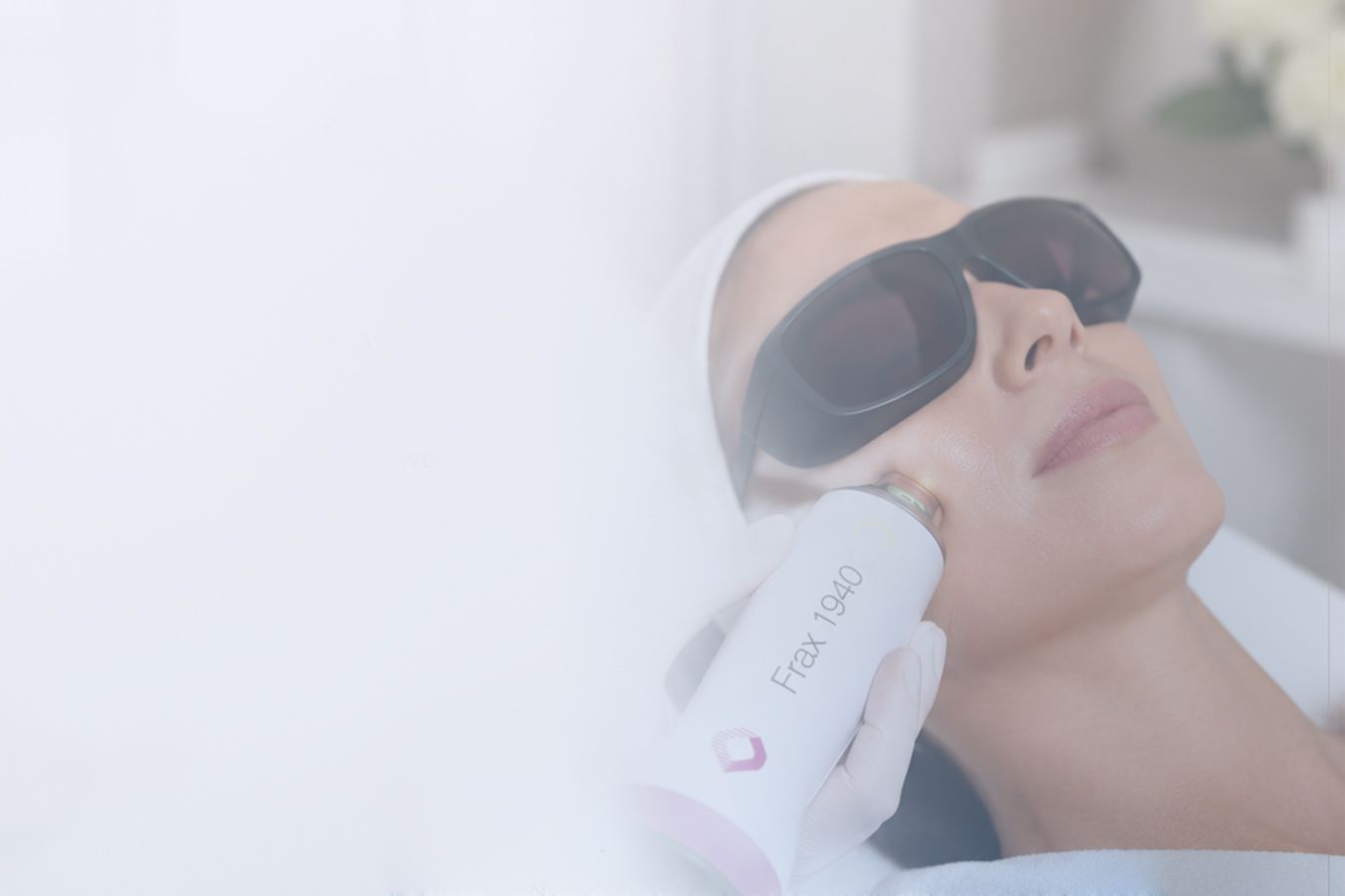
Frax 1940 Laser in Baton Rouge
Better Skin Quality, Minimal Downtime
Most people want better skin. Not dramatically different skin, not a surgically altered result, just smoother, clearer, more even skin that looks healthier and younger. If that is the goal, and significant downtime is not an option, the Frax 1940 non-ablative fractional laser is often exactly the right tool.
The Frax 1940 sits in a genuinely useful middle position in the laser resurfacing spectrum: more effective than a chemical peel for collagen stimulation and pigmentation, significantly less aggressive than CO₂ laser resurfacing, and targeted in a way that microneedling alone cannot replicate. It treats the skin with controlled energy, triggers the body's natural healing and collagen production response, and produces results you can see — without requiring a week of recovery.
At Z Aesthetic Dermatology in Baton Rouge and Prairieville, the Frax 1940 is offered by a board-certified dermatologist — Dr. Ann Zedlitz — who selects laser treatments based on your skin concerns, skin type, and overall treatment goals. Whether you are coming in for Frax 1940 alone or as part of a combination plan, the approach begins with an honest assessment of what will actually move the needle for your specific skin.
What Is the Frax 1940 and How Does It Work?
The Frax 1940 is a non-ablative fractional laser that delivers controlled laser energy into the superficial layers of the skin in thousands of microscopic treatment columns — leaving surrounding tissue intact. This fractional approach is what makes it both effective and recoverable: the laser injures only a fraction of the skin at a time, while the surrounding untreated tissue supports faster healing and collagen remodeling.
Because the Frax 1940 is non-ablative, it does not remove or vaporize the outer layer of skin the way a CO₂ laser does. Instead, it heats the targeted tissue beneath the surface, triggering the body's wound-healing cascade — including the production of new collagen and elastin. Collagen production continues for weeks after treatment, which means results improve progressively over the weeks and months following your appointment, not just immediately after.
Think of the Frax 1940 as the intelligent middle ground between microneedling and CO₂ laser resurfacing: more targeted collagen stimulation and pigmentation correction than needling, with a fraction of the recovery time of ablative laser. It resurfaces the skin with minimal downtime.
What Can the Frax 1940 Treat?
The Frax 1940 addresses a wide range of skin quality concerns that are among the most common questions patients bring to Z Aesthetic Dermatology. If you are asking how to improve your skin — not specific lines or volume loss, but the overall quality and evenness of your skin — Frax 1940 is frequently part of the answer.
Conditions Frax 1940 Effectively Treats
- Sun damage and photo-aging — years of Louisiana sun exposure addressed at the source
- Brown spots and age spots — hyperpigmentation and uneven skin tone corrected through the collagen remodeling response
- Enlarged pores - texture refinement that makes pores appear visibly smaller
- Fine lines and early wrinkles — particularly surface-level lines from repeated expression and skin thinning
- Rough or uneven skin texture — the sandpaper-smooth skin quality many patients describe wanting
- Mild acne scarring — shallow scarring responds well to a series of fractional laser treatments
- Crepey skin — particularly on the face, neck, and décolletage
- Dull or tired-looking skin — the overall complexion brightening patients often notice after a treatment series
- Early signs of aging — ideal for patients in their 30s and 40s beginning to notice skin quality changes
Schedule a Frax 1940 Consultation
Appointment Request Form
What to Expect: Before, During, and After Frax 1940
Combination Treatments
The Frax 1940 works extremely well as part of a broader treatment plan. Because it addresses surface quality and pigmentation so effectively, it complements treatments that focus on deeper structure, lifting, or vascular concerns. At Z Aesthetic Dermatology, Dr. Zedlitz frequently recommends Frax 1940 alongside:
Frax 1940 + IPL Photorejuvenation
IPL targets redness, visible vessels, and additional pigmentation using light energy that acts on chromophores (color targets) in the skin. Combined with Frax 1940's collagen stimulation and overall texture work, the two treatments together address a more complete range of sun damage concerns than either alone. This is one of the most popular combination approaches for patients with significant photo-aging.
Frax 1940 + Morpheus8
For patients who want both surface texture improvement and deeper structural collagen remodeling — particularly those beginning to notice mild jowling or skin laxity alongside texture and pigmentation concerns — Frax 1940 and Morpheus8 can be sequenced in a treatment plan. Frax addresses the surface; Morpheus8 addresses the deep dermis and sub-dermis.
Frax 1940 + Ultherapy PRIME
Ultherapy PRIME uses micro-focused ultrasound to lift and tighten at the deep structural layer — the SMAS — that surgeons address in a facelift. Adding Frax 1940 to an Ultherapy treatment plan addresses both lifting/tightening and surface skin quality simultaneously. Patients who want comprehensive rejuvenation without surgery often pursue this combination.
Frax 1940 + Plated™ Skin Science
Plated Skin Science is a next-generation topical treatment containing PDRN (polydeoxyribonucleotide) that activates cellular repair pathways to support healing and enhance treatment results. Applied after Frax 1940 treatment, it supports recovery, extends the regenerative response, and improves post-treatment skin quality.
A complete facial rejuvenation plan for a patient with sun damage, mild laxity, and overall skin quality concerns might include: Frax 1940 (surface quality + pigmentation) + IPL (vessels + additional pigmentation) + Ultherapy PRIME (deep lifting) — each targeting a different layer of the skin for comprehensive improvement.
How Frax 1940 Compares to Other Treatments
Patients frequently ask how the Frax 1940 compares to treatments they have heard of. The honest answer is that each serves a different place in the treatment ecosystem — and knowing the differences helps you choose the right option for your goals and your timeline.
| Treatment | Primary Mechanism | Downtime | Best For |
|---|---|---|---|
| Frax 1940 | Non-ablative fractional laser | 1–2 days | Texture, pigment, pores, early aging — full package with minimal recovery |
| Chemical Peel | Surface exfoliation | 1–5 days (depth-dependent) | Pigmentation, surface texture — less collagen stimulation than laser |
| Microneedling | Mechanical collagen induction | 1–2 days | Collagen, texture, scarring — less effective for pigmentation |
| Morpheus8 RF | RF energy + microneedling | 2–3 days | Deep collagen remodeling, skin tightening, jowling |
| CO₂ Laser | Ablative resurfacing | 7–14 days | Dramatic resurfacing — maximum results, significant recovery |
| IPL | Light-based pigment targeting | 1–2 days | Redness, vessels, brown spots — no collagen stimulation |
Frax 1940 occupies its own position in this spectrum: it offers meaningful collagen stimulation (unlike IPL), targeted pigmentation improvement (better than microneedling), and the ability to treat multiple concerns in one session — with recovery that fits a working week.
Schedule Your Frax 1940 Consultation in Baton Rouge or Prairieville
If you have been looking for a laser treatment that produces real improvement in skin texture, pigmentation, and overall skin quality — without requiring significant downtime — Frax 1940 is worth a consultation. At Z Aesthetic Dermatology, Dr. Ann Zedlitz will assess your skin, explain what is achievable with Frax 1940 alone or as part of a combination plan, and build a treatment approach matched to your goals and your life. Serving Baton Rouge, Prairieville, Gonzales, and South Louisiana.
Frequently Asked Questions
What is the Frax 1940 and how does it work?
The Frax 1940 is a non-ablative fractional laser that delivers controlled laser energy into the superficial layers of the skin in thousands of microscopic treatment zones. Unlike ablative lasers, it does not remove the outer skin layer — instead, it heats the underlying tissue to trigger the body's natural collagen and elastin production. The surrounding untreated skin supports faster recovery. Results include improved texture, reduced pigmentation, smaller-appearing pores, softened fine lines, and a brighter overall complexion. Collagen production continues for weeks after treatment, so results improve progressively.
Where can I get Frax 1940 treatment in the Baton Rouge area?
Frax 1940 is available at Z Aesthetic Dermatology's Baton Rouge and Prairieville locations. Both practices offer the full range of laser treatments under the oversight of Dr. Ann Zedlitz, board-certified dermatologist. Consultations are available at both locations to assess your skin and determine whether Frax 1940 is the right treatment for your goals.
How is Frax 1940 different from CO₂ laser resurfacing?
CO₂ laser is ablative — it removes the outer layer of skin to produce dramatic resurfacing results, but requires 7 to 14 days of significant recovery. The Frax 1940 is non-ablative: it works beneath the skin surface without removing the outer layer, producing meaningful improvement in texture, pigmentation, pores, and fine lines with only 1 to 2 days of visible redness. For patients who want real results without significant downtime, Frax 1940 is the more practical option. Patients who want maximum resurfacing and can accommodate recovery may be better candidates for CO₂.
How many Frax 1940 treatments do I need?
Most patients achieve their best results with a series of 2 to 4 treatments spaced 4 to 6 weeks apart. A single treatment produces visible improvement in skin quality; a series produces the full collagen remodeling benefit. Patients targeting specific concerns like mild acne scarring or significant sun damage typically benefit from more sessions. After the initial series, many patients maintain results with 1 to 2 treatments per year.
Is the Frax 1940 safe for darker skin tones?
Non-ablative fractional lasers are generally safer for a wider range of skin tones than ablative lasers, because they do not act on surface pigment in the same way. However, any laser treatment in patients with darker skin tones requires careful assessment, appropriate device settings, and pre-treatment preparation. Dr. Zedlitz will assess your Fitzpatrick skin type at consultation and adjust the treatment protocol accordingly. Patients with very dark skin tones may be directed toward alternative approaches with a lower hyperpigmentation risk.
What is recovery like after Frax 1940?
Most patients experience mild to moderate redness and warmth similar to a sunburn immediately after treatment. Over the following 3 to 5 days, the skin may develop a rough, sandpaper-like texture as the treated zones shed. This resolves on its own and is a normal part of the healing process. Most patients return to work and normal activities within 1 to 2 days. Avoiding direct sun exposure and applying SPF consistently is important during the healing period. Full makeup is typically resumed within 4 to 7 days.
Can I combine Frax 1940 with other treatments?
Yes — and combination treatment plans often produce significantly better results than any single treatment. Frax 1940 pairs particularly well with IPL Photorejuvenation(for additional pigmentation and vascular correction), Morpheus8(for deeper collagen remodeling and tightening), and Ultherapy PRIME(for structural lifting). Dr. Zedlitz builds combination plans based on your specific skin concerns, goals, and recovery preferences.
How does Frax 1940 compare to microneedling?
Both Frax 1940 and microneedling stimulate collagen production, but through different mechanisms and with different strengths. Microneedling creates mechanical micro-injuries using fine needles — it is excellent for texture, pore size, and acne scarring, but less effective for pigmentation and surface brown spots. Frax 1940 uses laser energy to treat both collagen stimulation and pigmentation in the same session. For patients with primarily texture concerns, either may be appropriate. For patients with sun damage, brown spots, or uneven tone alongside texture concerns, Frax 1940 is typically the stronger option.

Join Z Aesthetic Dermatology for our Fall Open House in Prairieville, LA, October 8 from 2–8 PM! Enjoy giveaways, live demos, music, wine, exclusive once-a-year savings, and more.
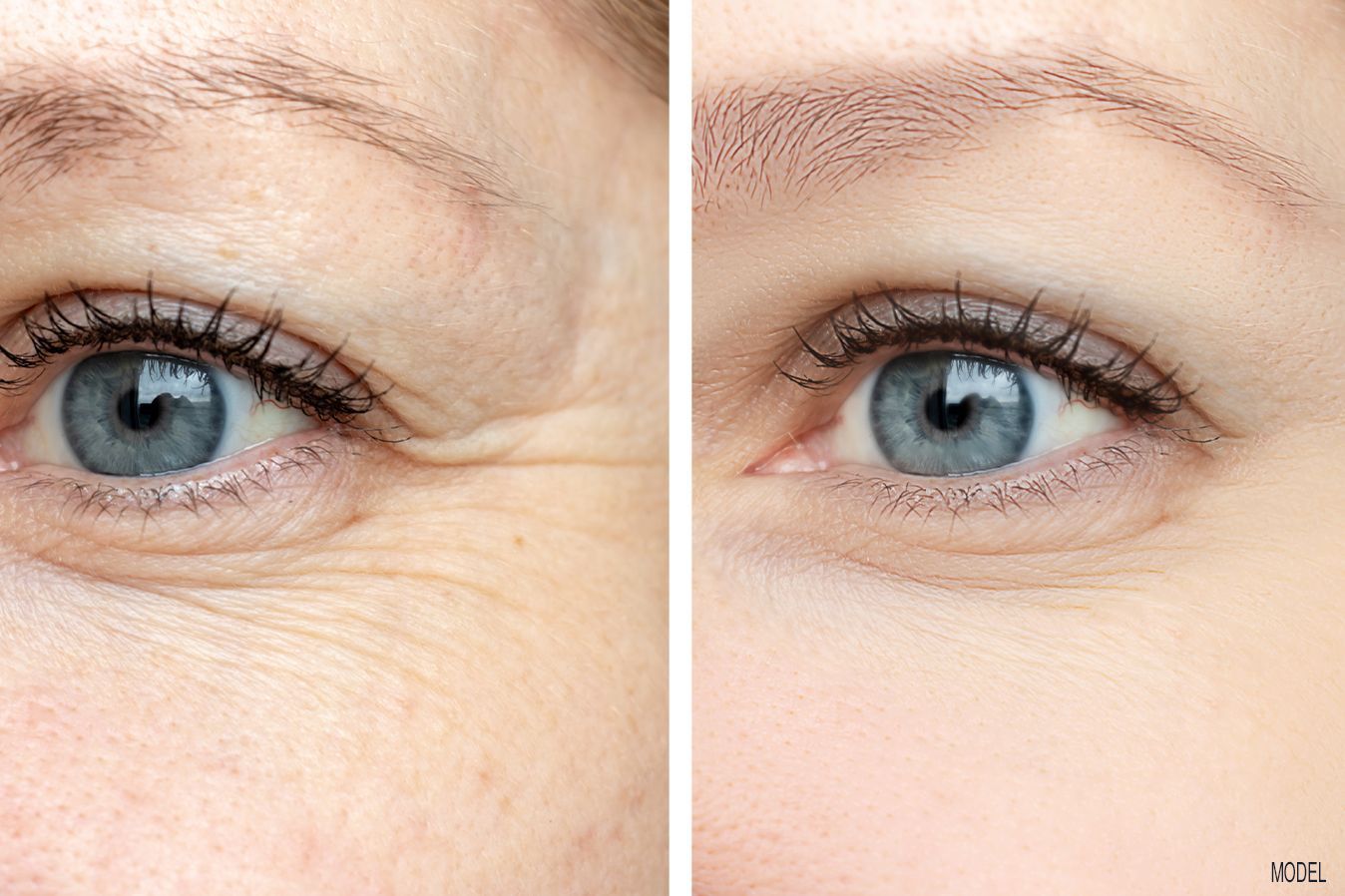
How long does Botox last? Learn what affects Botox longevity, when results begin to wear off, and what to expect from treatment at Z Aesthetic Dermatology.
Looking for lip filler in Baton Rouge? Dr. Z creates beautiful, balanced lip enhancement using advanced hyaluronic acid fillers for natural results.

Learn why using board-certified dermatologist Dr. Ann Zedlitz at Z Aesthetic Dermatology in Baton Rouge & Prairieville means safer treatments & more natural results.
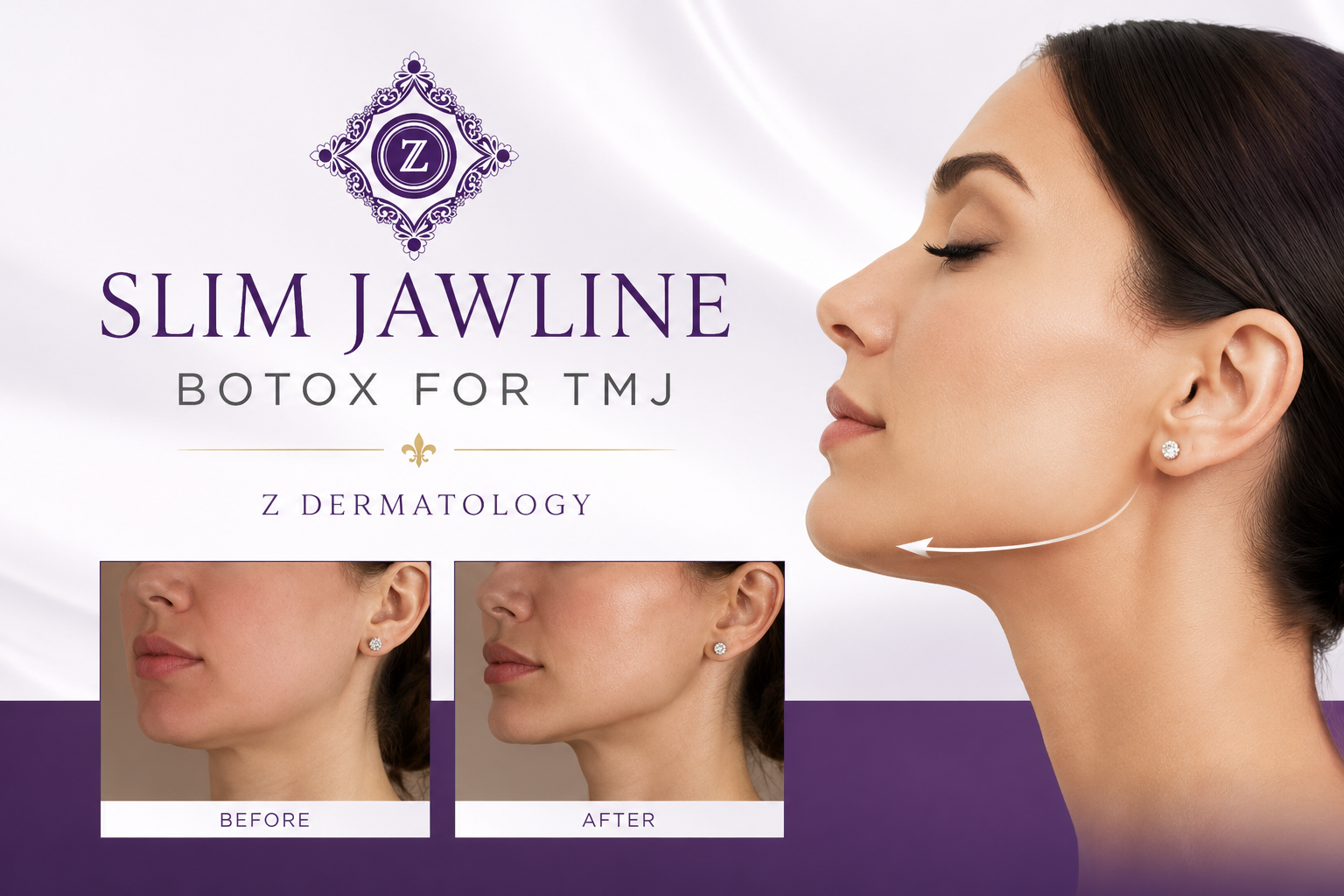
Explore masseter and TMJ Botox in Baton Rouge and Prairieville to reduce jaw tension, clenching and teeth grinding while creating a slimmer jawline.
Visit the Z Store for all of these items!
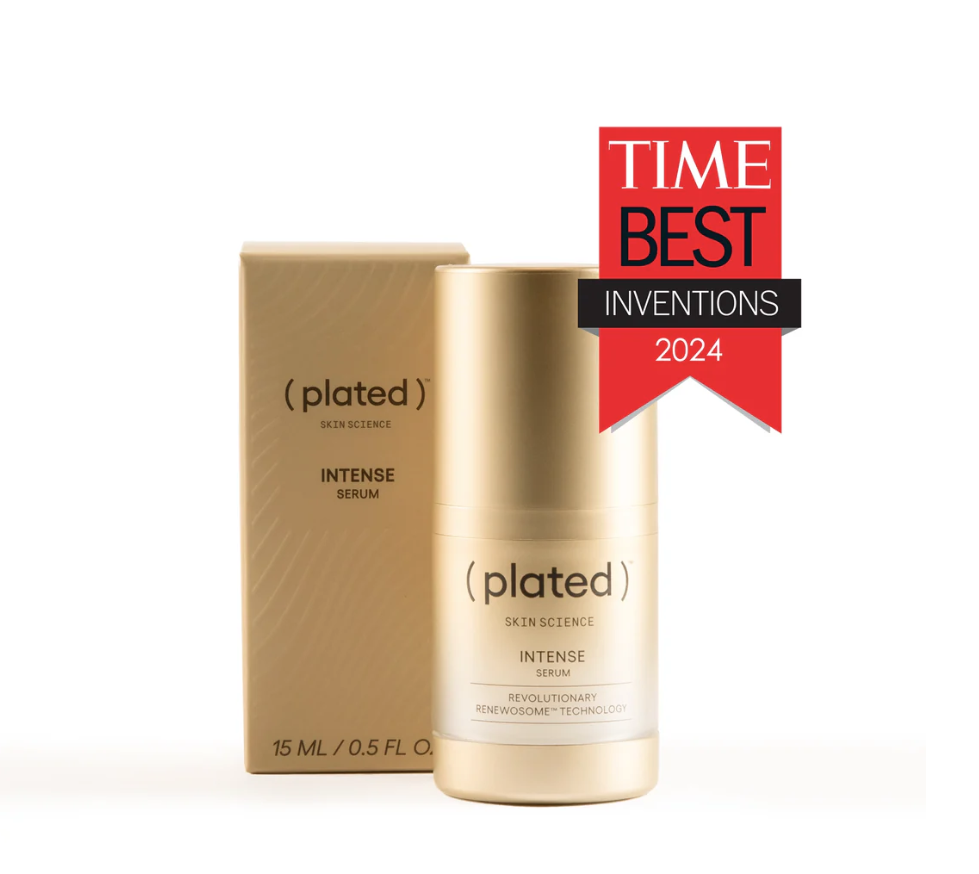
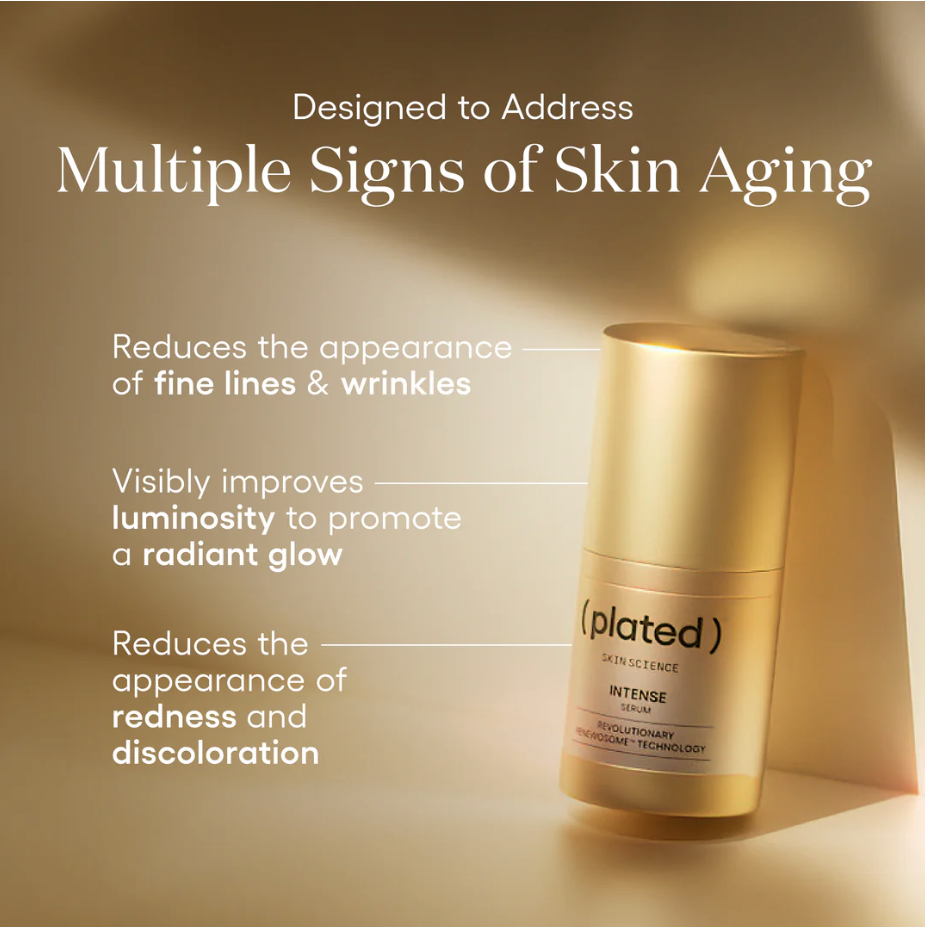
INTENSE Serum
SKU 00071
$258.00
Buy Now
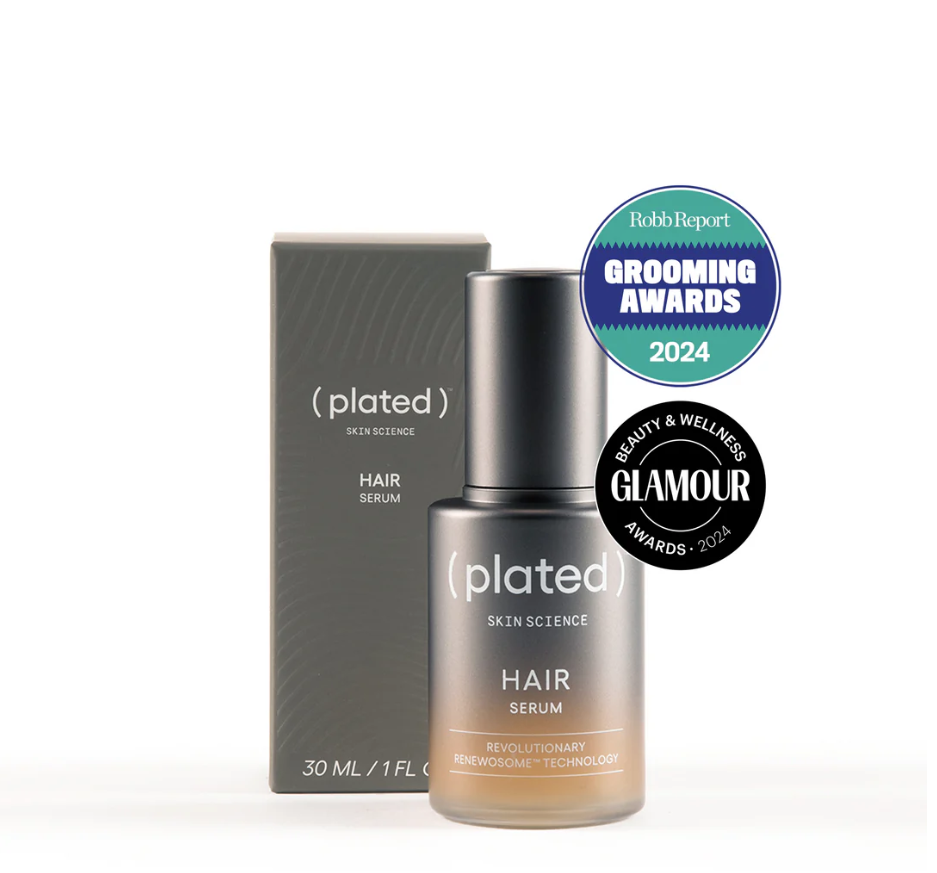
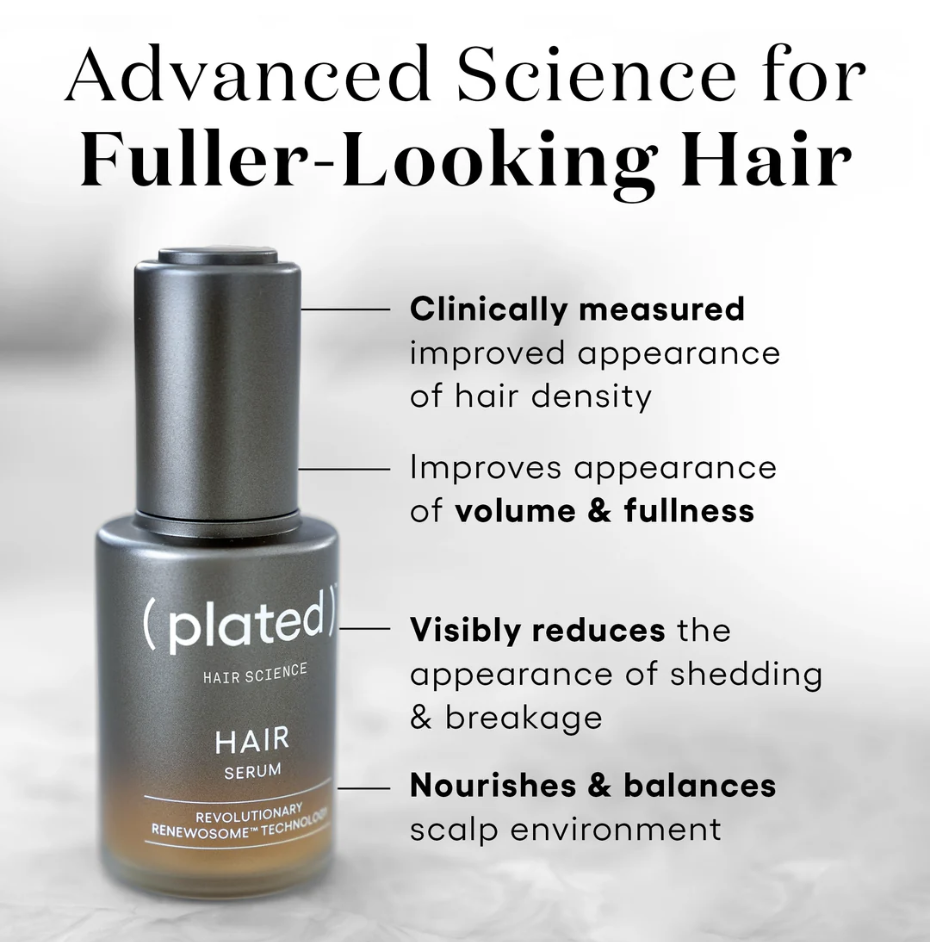
HAIR Serum
SKU 00072
$379.00
Buy Now
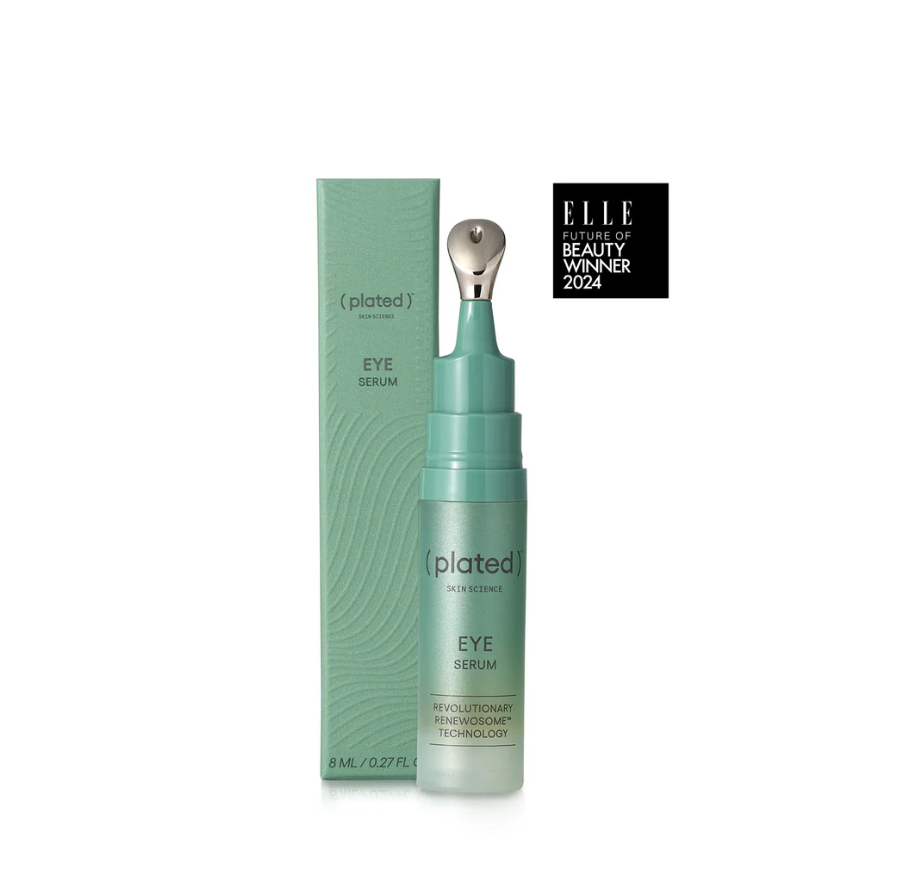
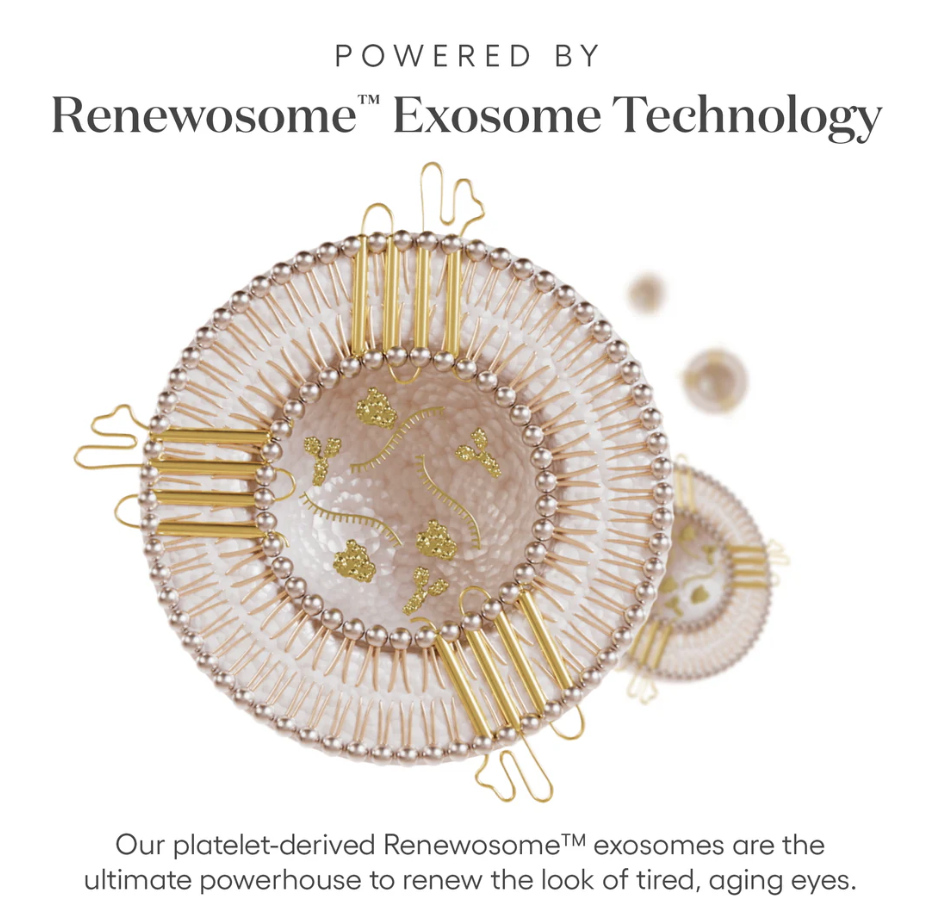
EYE Serum
SKU 00070
$138.00
Buy Now


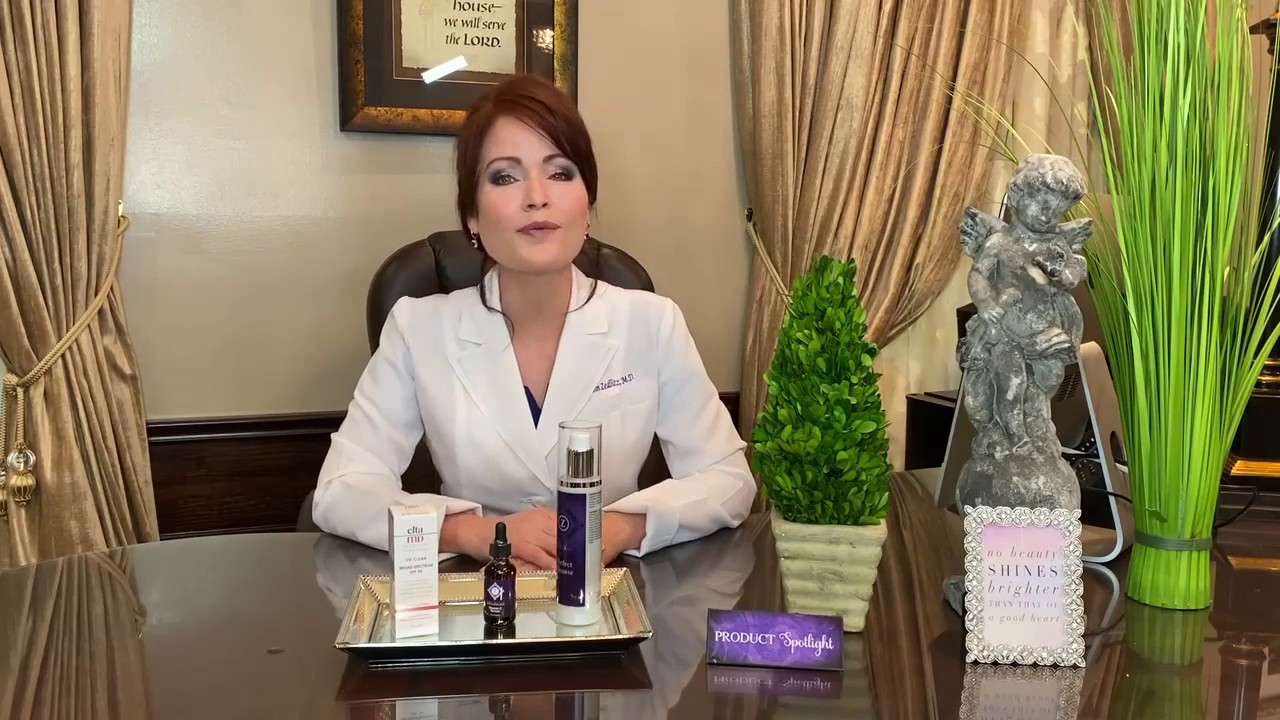
Combination Skin: Perfect Cleanse, Vitamin C Serum, EltaMD UV Clear SPF 46
SKU 00005
$182.70
$203.00
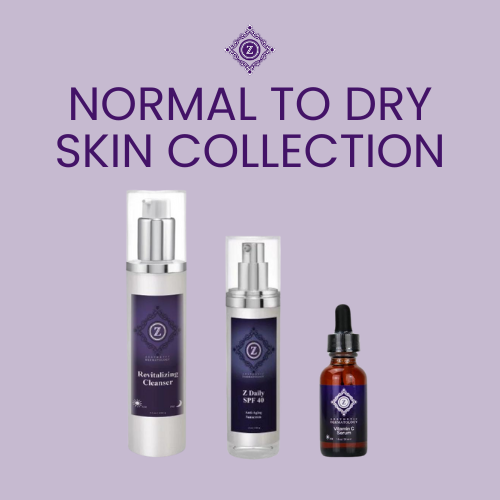
Normal to Dry Skin: Revitalizing Cleanser, Vitamin C Serum, Z Daily SPF 40
SKU 00004
$188.10
$209.00
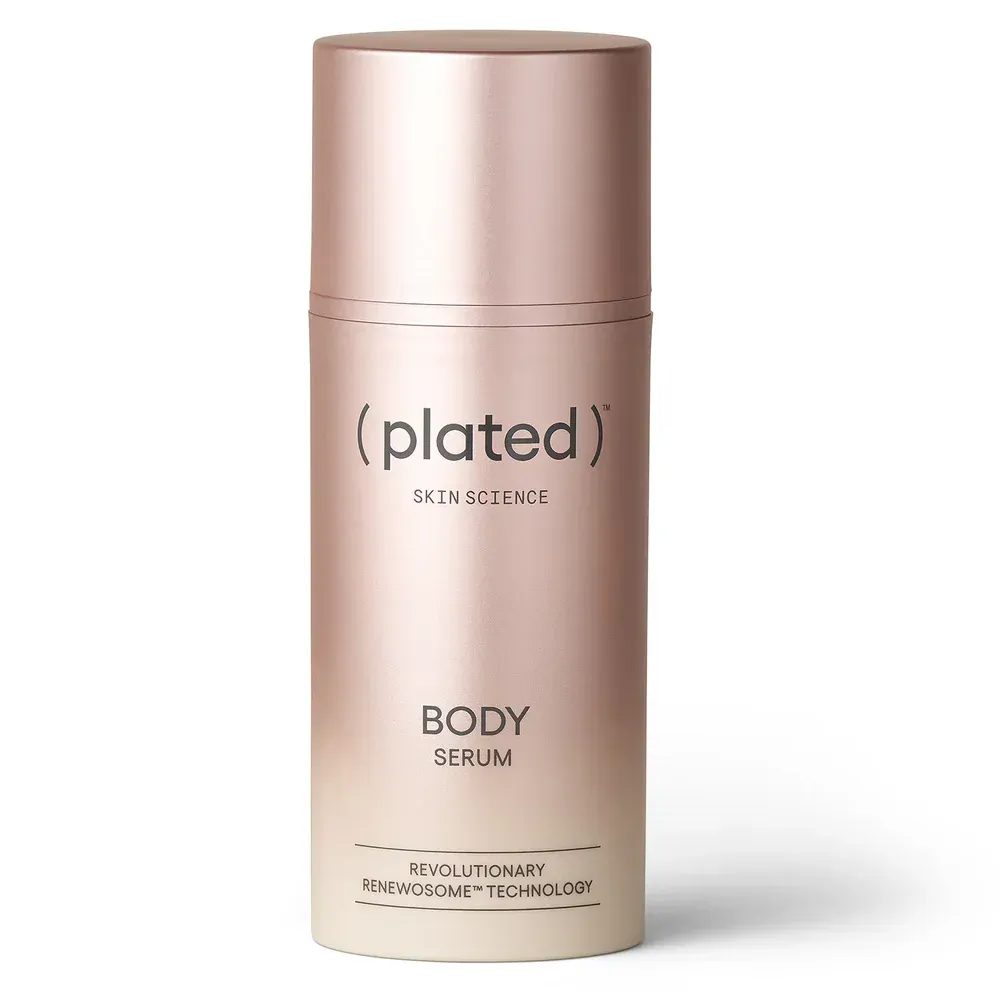
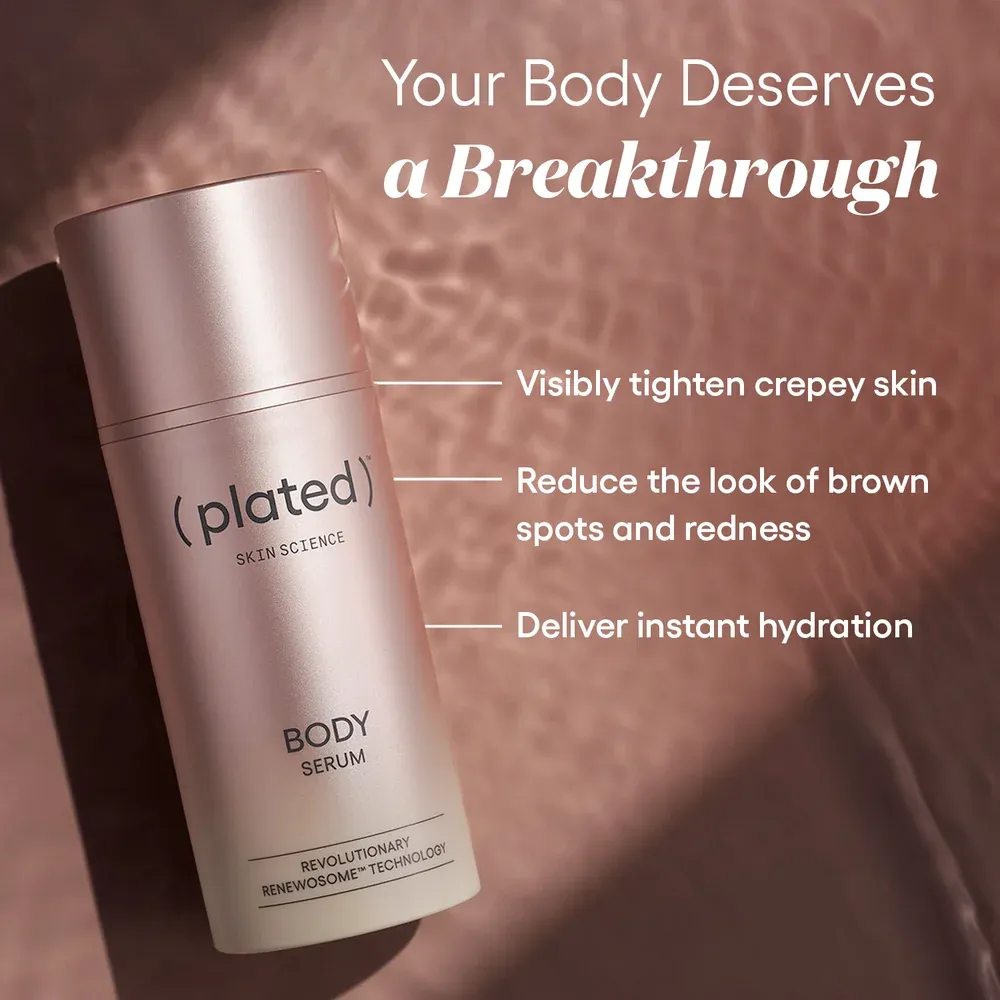
PLATED Body Serum
SKU 00075
$338.00
Buy Now