
Ozempic Face: Prevention and Treatment Options
Personalized treatment plans for skin rejuvenation & restoring facial fullness at Z Dermatology.

Facial volume loss from GLP-1 weight loss medications, known as "Ozempic Face," responds to targeted dermal fillers, PDRN skin rejuvenation, and collagen-stimulating treatments at Z Aesthetic Dermatology. Dr. Z and her Baton Rouge and Prairieville, Louisiana team restore facial fullness and skin quality with personalized, evidence-based treatment plans addressing hollowing, laxity, and lost contour after significant weight change.
Key Takeaways
- Rapid GLP-1 weight loss causes facial hollowing, sagging, and premature aging: Dr. Z addresses these concerns with personalized solutions.
- Over 15 years, Dr. Z specializes in restoring facial volume and contours using advanced treatments like dermal fillers and Botox.
- Z Aesthetic Dermatology's Expert Injector team combines consultations with Morpheus8 and CO2 laser for natural-looking facial rejuvenation results.
- Our individualized "Z Game Plan" approach prevents and corrects Ozempic Face across Baton Rouge and Prairieville locations with clinical expertise.
- Get Physician guided Medical Weight Loss from Z Dermatology
What Is Ozempic Face, Exactly?
Ozempic Face describes facial thinning and sagging that surfaces after significant weight loss on GLP-1 medications. Semaglutide drugs have surged in popularity across Baton Rouge and Prairieville as patients pursue faster, more effective weight management and better metabolic health. That success on the scale, however, often comes with an unexpected trade-off in the mirror.
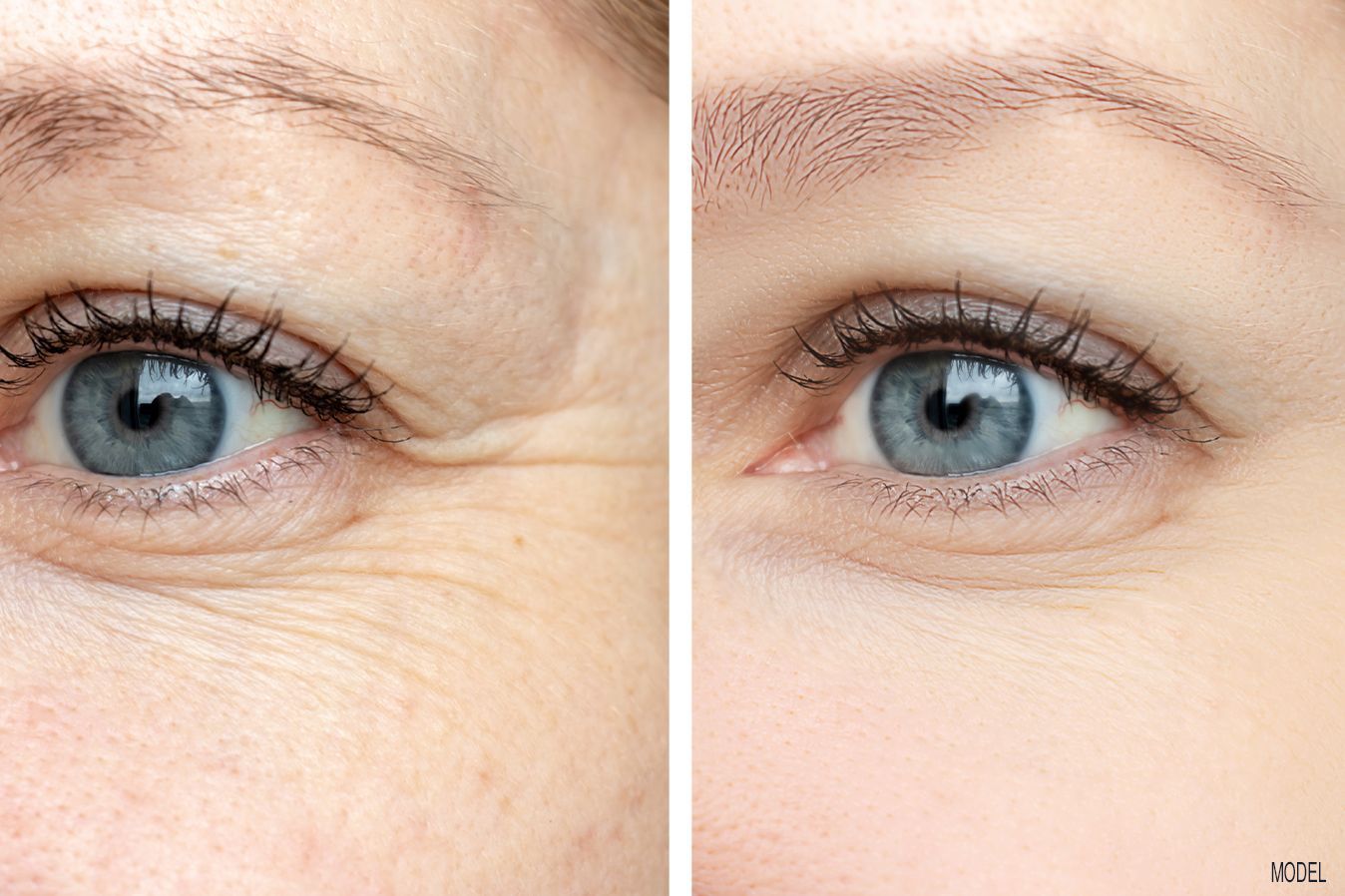
Facial volume loss has earned its own nickname because so many patients now notice it. Cheeks lose fullness. Under-eye hollows deepen. Skin along the jawline starts to sag in ways it never did before treatment. Providers across Louisiana are fielding more questions about this exact concern. The pattern shows up consistently enough to warrant its own conversation during consultations.
Does Ozempic Itself Cause the Facial Changes?
The medication is not the direct culprit. Weight loss itself, the rapid depletion of fat throughout the body, including the face, drives these visible changes. Patients who lose comparable weight through diet, exercise, or other methods experience similar facial hollowing, which confirms the mechanism has more to do with fat loss than with any specific drug.
Why Does the Face Show Weight Loss So Fast?
Facial fat pads are small and thin compared to fat stores elsewhere in the body. A few pounds lost from the midsection barely registers visually. The same loss from the cheeks or temples changes the entire facial contour. Common signs include:
- Sunken or hollow cheeks
- Deepened nasolabial folds
- Loose, crepey skin under the jaw
- Under-eye hollowing that reads as fatigue
Recognizing these signs early gives patients in Baton Rouge. Prairieville more options for restoring facial balance before laxity becomes more pronounced.
Why Does GLP-1 Weight Loss Drain Facial Volume?
Rapid fat loss triggered by GLP-1 medications like semaglutide drains the fat pads that give the face its youthful contour. Dermatologists now formally recognize this facial volume loss as a documented side effect of fast, medication-driven weight loss, often called Ozempic Face. For patients in Baton Rouge. Prairieville, understanding this mechanism is the first step toward choosing the right correction strategy.
Fat loss does not discriminate by body region. Whether someone sheds pounds through a GLP-1 prescription, diet, exercise, or another lifestyle change, the body pulls fat from everywhere, including the cheeks, temples, and under-eye area. The face carries less padding than the thighs or midsection. Even modest reductions become visible fast, leaving hollowed cheeks and a tired, aged appearance.
Is Ozempic the Actual Cause of Facial Sagging?
The medication itself is not the culprit. Ozempic face develops because of how quickly fat disappears, not because of any direct effect the drug has on skin or collagen. Left unaddressed, this volume loss rarely corrects itself over time.
Who in Baton Rouge and Prairieville Is Most at Risk?
Anyone experiencing significant, fast weight loss through GLP-1 facial volume loss faces this risk, regardless of starting weight. The speed of the loss matters more than the amount.
Common signs local patients notice include:
- Sunken or flattened cheeks
- Deepened nasolabial folds
- Loose skin along the jawline and neck
- A hollow, prematurely aged look despite a healthier body weight
Recognizing these changes early gives Baton Rouge and Prairieville patients more options for restoring balance before laxity becomes more pronounced.
How Does Rapid Weight Loss Affect Skin Laxity?
Rapid, significant weight loss strips fat from beneath the skin faster than the skin itself can adapt. Collagen and elastin fibers, stretched over months or years of higher body weight, lose their support structure almost overnight. The result: a hollow, sagging, prematurely aged appearance often called Ozempic Face, a term describing the facial changes that follow dramatic weight reduction from GLP-1 medications like semaglutide. For patients in Baton Rouge and Prairieville, this shift can feel jarring. A slimmer frame doesn't always translate to a refreshed reflection.
Facial fat pads cushion the cheeks, temples, and under-eye area. Once that cushioning disappears, skin has nowhere to rest, so it droops. This process, known clinically as GLP-1 facial volume loss, explains why patients notice deeper nasolabial folds, hollow temples, and sagging jawlines even when their overall health has improved dramatically.
Why Does Facial Skin Sag More Than Body Skin After Weight Loss?
Facial skin is thinner and more mobile than skin on the torso or limbs, with less underlying muscle to hold it taut. Combined with constant movement from talking, chewing, and expressing emotion, facial tissue shows laxity earlier and more visibly than skin elsewhere on the body.
Can Skin Bounce Back Without Treatment?
Skin elasticity rarely recovers fully on its own once significant volume loss occurs, particularly in patients over 35. Correction typically requires combining two approaches: technologies that rebuild collagen and skin tightening after weight loss, paired with volume-restoring injectables that replace lost structural fat. Addressing both fronts, rather than one alone, produces the most natural, balanced correction for patients rebuilding facial confidence after major weight change.
Can Dermal Fillers Restore Lost Facial Volume?
Yes. Dermal fillers rebuild the structural volume that GLP-1-related fat loss strips from the cheeks, temples, and under-eye area. For patients in Baton Rouge and Prairieville facing hollowed contours after semaglutide-driven weight loss, filler placement restores the soft, supportive fat pads that once held skin taut against the bone. Without that support, skin sags and shadows deepen — a look many patients don't recognize in the mirror.
Z Aesthetic Dermatology approaches this correction through physician-led care, ensuring precise and informed treatment. Every treatment plan starts with a VISIA-informed consultation, a skin-imaging assessment that maps volume loss, texture changes, and sun damage before a single injection happens. That data feeds into a customized combination of fillers and advanced modalities like Morpheus8 and CO2 laser. Results look proportionate to each patient's bone structure rather than artificially inflated.
Who performs the filler injections?
Dr. Ann Zedlitz leads injectable treatments as the practice's Expert Injector, specializing in dermal fillers Baton Rouge patients trust for natural-looking correction. Her focus on customized skin rejuvenation means filler placement gets tailored to facial anatomy, not applied by formula.
What about the delicate under-eye area?
Under-eye hollowing often responds better to PRP than to traditional filler alone. PRP under-eye treatment draws on concentrated growth factors from the patient's own blood to regenerate skin, smooth texture, and reduce dark circles.
- Uses the body's own regenerative biology, not synthetic material
- Restores subtle volume without an overfilled appearance
- Builds gradually over two to three months as collagen production increases
- Pairs well with cheek and temple filler for full-face balance
This staged, biology-driven approach gives Baton Rouge and Prairieville patients a path back to their pre-weight-loss appearance — without looking overdone.
What Can Morpheus8 Do for Skin Laxity?
Morpheus8 Prairieville treatments rebuild deep structural support that GLP-1-related weight loss depletes from the face and jawline. Radiofrequency energy pairs with microneedling technology to stimulate collagen production and tighten skin from within, rather than simply resurfacing the outer layer. For patients navigating skin tightening after weight loss, this dual-action approach addresses the loose, crepey texture that often develops as facial fat diminishes.
Rapid weight loss frequently leaves skin without the volume it once relied on for support. Sagging along the cheeks, jawline, and neck becomes noticeable within months. Morpheus8 responds directly to that laxity by triggering the skin's own repair process at a deeper level than surface treatments reach.
Results include several measurable improvements:
- Reduced fine lines and wrinkles across treated areas
- Firmer, smoother skin texture over the following weeks
- Improved appearance of acne scarring in some patients
- Minimal downtime compared to surgical tightening procedures
Does Morpheus8 work well for weight-loss-related sagging?
Yes, and its mechanism makes it particularly suited to this concern. Because the treatment stimulates collagen from beneath the skin's surface, it targets the structural loss that accompanies significant weight reduction, not just surface wrinkles. Many patients notice progressive firming as new collagen forms over subsequent weeks.
Where can Baton Rouge and Prairieville patients access Morpheus8?
Morpheus8 is available at both the Baton Rouge and Prairieville locations, giving area patients convenient access to the same advanced protocol regardless of which office they visit. Consistency between locations matters for patients coordinating Morpheus8 alongside other facial rejuvenation treatments. Collagen-building results depend on properly timed, repeated sessions. Scheduling locally also simplifies follow-up visits during the weeks when skin continues tightening after treatment.
What Other Treatments Support Facial Rejuvenation?
Full recovery from GLP-1 related facial changes often calls for more than one treatment working together. Several targeted procedures address the finer details that volume restoration alone can't fully correct, rounding out a complete facial rejuvenation plan for Baton Rouge and Prairieville patients.
Ultherapy PRIME addresses another common concern after weight loss: loss of firmness and definition. Using focused ultrasound energy, Ultherapy PRIME targets deeper layers of the skin to stimulate the body's natural collagen-building process. It can help improve the appearance of sagging skin and restore definition along areas such as the brow, chin, and jawline—without surgery or significant downtime.
VAMP PDRN stands out as one of the newer options available to patients in the area. This innovative skin revitalization treatment repairs and rejuvenates skin at the cellular level, targeting the deeper structural changes that come with rapid weight loss. Paired with Exceed Medical Microneedling, VAMP PDRN improves fine lines, acne scars, sun damage, and uneven texture, with minimal downtime for patients balancing work and family schedules across Baton Rouge and Prairieville.
Chemical peels offer another layer of correction. These treatments improve skin tone and texture by removing damaged outer layers and prompting healthy renewal underneath, useful for patients whose skin looks dull or uneven after significant weight change.
What helps with dark circles after weight loss?
Hollowing under the eyes is one of the most noticeable signs of GLP-1 facial volume loss. PRP under-eye treatment addresses dark circles, under-eye bags, and hollow tear troughs without surgery, restoring a rested, refreshed appearance.
Under-eye dermal fillers can help restore lost volume beneath the eyes, softening hollows and shadows that may make dark circles appear more pronounced after weight loss.
Which treatments pair well for a complete result?
Combining approaches typically produces the most natural-looking outcome. Consider:
- VAMP PDRN with microneedling for texture and skin revitalization
- Ultherapy PRIME for non-surgical lifting, tightening, and improved definition
- Morpheus8 for deeper collagen remodeling, skin tightening, and improved texture
- Chemical peels for tone correction and skin renewal
- PRP under-eye treatment for hollowing and the appearance of dark circles
Each option targets a distinct concern, so a personalized combination—not a single procedure—can provide a more comprehensive approach to facial changes tied to weight loss.
Why Choose a Physician-Led Team Here?
Physician oversight separates safe correction of facial volume loss from guesswork. Patients navigating GLP-1 facial volume loss in Baton Rouge. Prairieville need providers who understand both the medicine behind weight-loss drugs and the anatomy of facial aging. Dr. Z has specialized in aesthetic dermatology for more than 15 years, building a practice around personalized, results-driven care rather than one-size-fits-all treatment menus.
That experience runs deeper than technique. Having faced her own skin struggles, Dr. Z approaches every consultation with a clinical eye and genuine empathy. This combination shapes how her team evaluates hollowed cheeks, sagging jawlines, and thinning skin after significant weight change.
Care extends beyond a single provider. Dr. Z, Jennifer, NP, and Jerrica, PA bring advanced expertise to every visit, giving patients in Baton Rouge and Prairieville access to a coordinated team rather than a single set of hands.
Who actually performs the treatments?
Ann Zedlitz, M.D., Jennifer Holley, NP, and Jerrica Kitto, PA-C, brings clinical precision and a gentle approach to dermatologic and aesthetic services alike. Her attention to detail supports confidence-boosting results for patients recovering volume and structure after weight loss.
What makes this practice model different?
The model reflects modern medical luxury built on clinical rigor and genuine warmth. Confidence pairs with approachability here, never one at the expense of the other.
Three principles guide every visit:
- Natural results prioritized over dramatic, artificial change
- Individualized planning through the practice's Z Game Plan
- Ongoing patient education so decisions feel informed, not rushed
This structure matters most when facial volume loss demands more than a single filler syringe. Coordinated, physician-led planning catches issues an isolated treatment might miss.
What's the Next Step Toward Renewed Confidence?
A personalized consultation maps the fastest path back to facial balance. Patients across Baton Rouge and Prairieville who notice hollowing, sagging, or new lines after GLP-1 weight loss benefit most from a plan designed for their specific timeline and goals. Waiting rarely helps; volume loss and skin laxity tend to progress the longer they go unaddressed.
Z Aesthetic Dermatology delivers physician-led aesthetic care with an Expert Injector™ guiding every treatment plan across two convenient Louisiana locations. That structure matters because facial changes from rapid weight loss rarely call for a single fix. Some patients need volume restoration first; others need collagen support or a combination of both, layered over time.
Can early treatment prevent Ozempic Face from getting worse?
Yes, and timing changes the outcome. Preventative Botox, sometimes called Baby Botox®, softens expression lines before they deepen further, which matters as facial fat continues to shift during and after weight loss. Starting collagen-focused care early also gives the skin a head start against further laxity.
What treatments work best together for facial volume loss?
Combining approaches typically outperforms any single treatment. Microneedling, including radiofrequency-enhanced options, boosts collagen production early and helps prevent premature aging that often accompanies rapid fat loss in the face. Pairing that collagen stimulation with a customized injectable strategy addresses both structure and texture at once.
A practical starting point looks like this:
- Assessment: VISIA-informed consultation to evaluate volume, texture, and laxity
- Collagen support: RF Microneedling to rebuild foundation early
- Line prevention: Preventative Botox before creases set in
- Volume strategy: Injectable planning tailored to individual bone structure and fat loss pattern
This is the foundation of a Z Game Plan. A roadmap built around each patient's face, timeline, and goals, not a generic protocol.
Conclusion
In closing, Ozempic-related facial changes need not define your appearance or confidence. At Z Aesthetic Dermatology, our expert team, led by Dr. Z and supported by Jennifer, NP and Jerrica, PA combines clinical precision with artistic vision to restore facial volume, enhance skin quality, and help you look authentically like yourself. Whether through strategic filler placement, advanced skin tightening technologies, or comprehensive rejuvenation strategies, we craft personalized treatment plans that address your unique concerns. Your journey toward renewed confidence begins with a consultation at our Baton Rouge or Prairieville location. Evidence-based medicine meets compassionate, individualized care.
Ready to Get Started?
Book your consultation with Dr. Z or our other expert injectors, available in Baton Rouge and Prairieville.